CenterPoint Inspection for Meter Reactivation in Evansville, IN

By: Matt Pinkston - Master Electrician  | April 23, 2024 | (Updated June 2026)
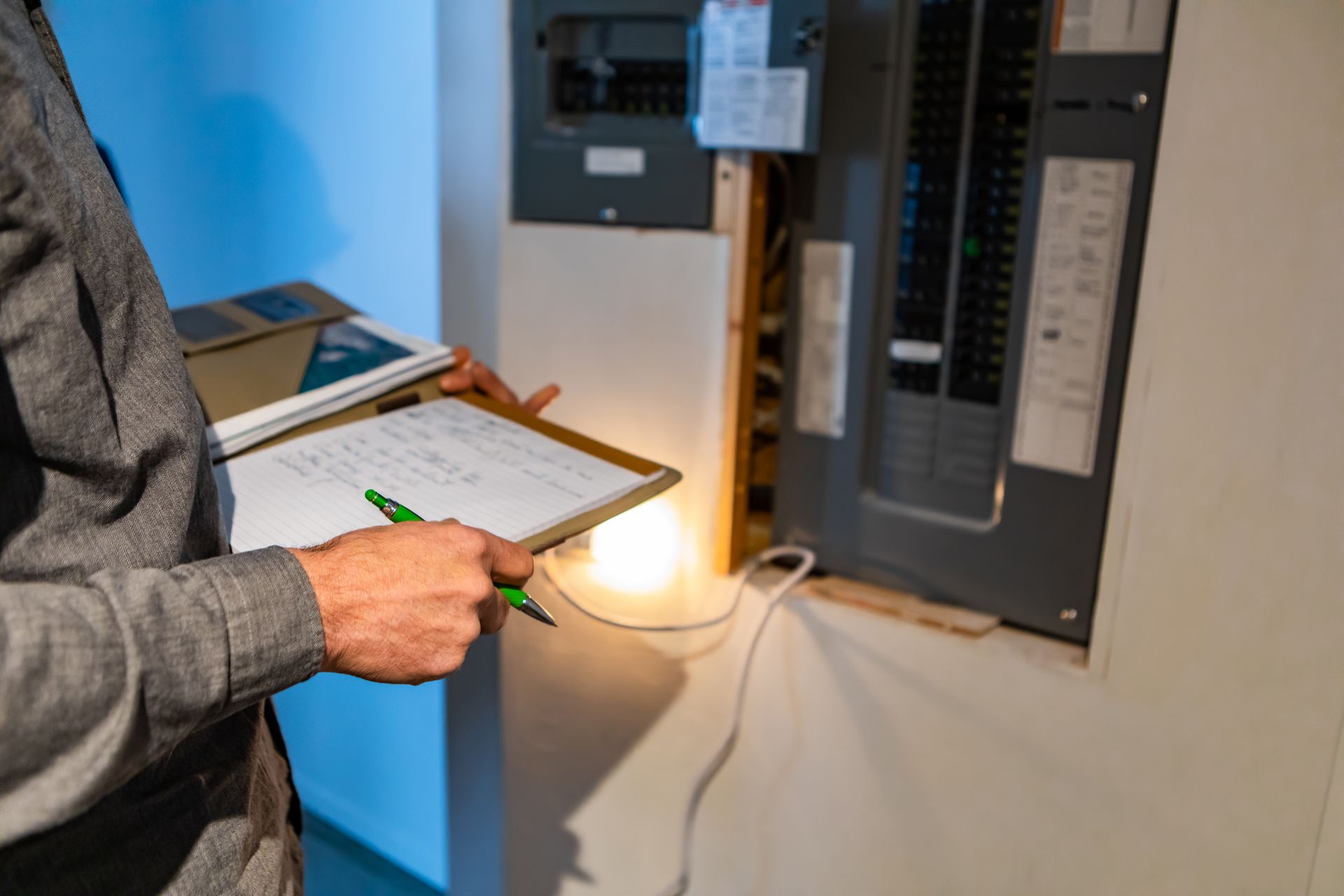
When it's time to reactivate your meter in Evansville, IN, here's what you can expect from the Bright Electric team:


  1. Initial Electric Meter Inspection: A qualified electrician from Bright Electric will thoroughly inspect your electrical system. This first step ensures that there are no potential issues that might hinder the meter reactivation process.
  2. Permitting: We handle all the necessary paperwork and obtain permits from the City of Evansville. This is to ensure that any repairs or upgrades we perform are fully compliant with local regulations.
  3. Repairs by Bright Electric: Should our inspection reveal any issues, our skilled electricians will carry out the necessary repairs efficiently and safely to bring your electrical system up to the required standards.
  4. City Inspection for Approval: After our repairs, we'll arrange for a city inspection to verify that all work meets the stringent safety standards set by local authorities.
  5. Notification to CenterPoint Energy: Once the city inspection is successfully completed, the city inspector will notify CenterPoint Energy directly by email, confirming the approval of your meter and detailing the inspection results.
  6. Meter Reactivation by CenterPoint: It is important to note that meter reactivation is managed by CenterPoint Energy. You, the property owner, will need to contact them directly to schedule the final meter activation. For your convenience, CenterPoint Energy's contact details are provided below.


Timeline:

While specific timelines can vary due to the involvement of various external parties, Bright Electric is committed to managing the inspection and repair process as swiftly and smoothly as possible. We'll keep you informed every step of the way and notify you promptly of any changes.


Contact CenterPoint Energy:

  • Phone: 1-800-227-1376
  • Website: [CenterPoint Energy](https://midwest.centerpointenergy.com/)


Important Note:

Your property will need to be accessible for the city inspection. The city inspector will need access to your property between 7 AM and 4 PM on the scheduled day. If you cannot be home, you may leave a door unlocked, hide a key, or use a lockbox. This requirement is mandated by the Evansville Building Commission and is beyond our control.


If you have any questions or concerns about the CenterPoint home inspection, meter inspection, or the overall process, please don't hesitate to reach out to us. Your cooperation and understanding are greatly appreciated

Written & Reviewed by:

Matt Pinkston — Master Electrician (Vanderburgh County License #29714)

Operations Manager at Bright Electric

27+ years of electrical experience in Evansville and the Tri-State area.

Specializes in residential and commercial electrical work, NEC code compliance, and modern electrical safety standards.


Read Matt's full bio

Kitchen counter with clipboard and paperwork in a bright modern home kitchen
By Matt Pinkston - Master Electrician • September 29, 2026
Learn what to expect when you schedule a free electrical estimate with Bright Electric, from the initial visit and project review through estimate approval and scheduling.
Electric utility meter box mounted on a red brick wall
By Matt Pinkston - Master Electrician • September 28, 2026
Getting a new electric service from CenterPoint Energy in Evansville? Learn each step, who handles what, and why to start early to avoid project delays.
June 29, 2026
Who is Responsible for Replacing Electric Meter Boxes?
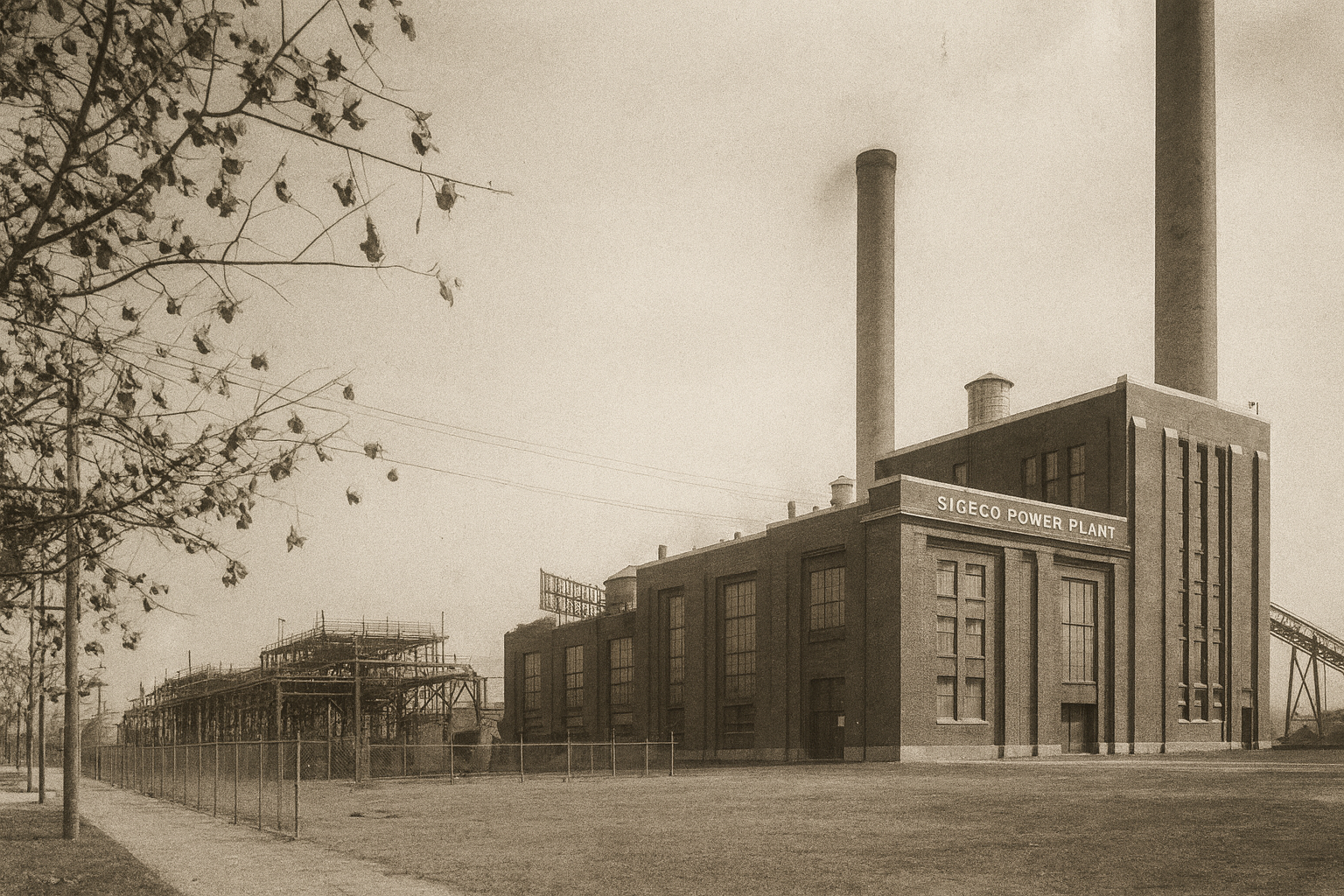
SIGECO Plant. 1930’s.
April 13, 2026
Discover how electricity shaped Evansville—from early streetcars to modern power systems. Explore our city’s electrifying history and how local electricians helped build the community. Read the full story today.
By Matt Pinkston - Master Electrician • November 20, 2025
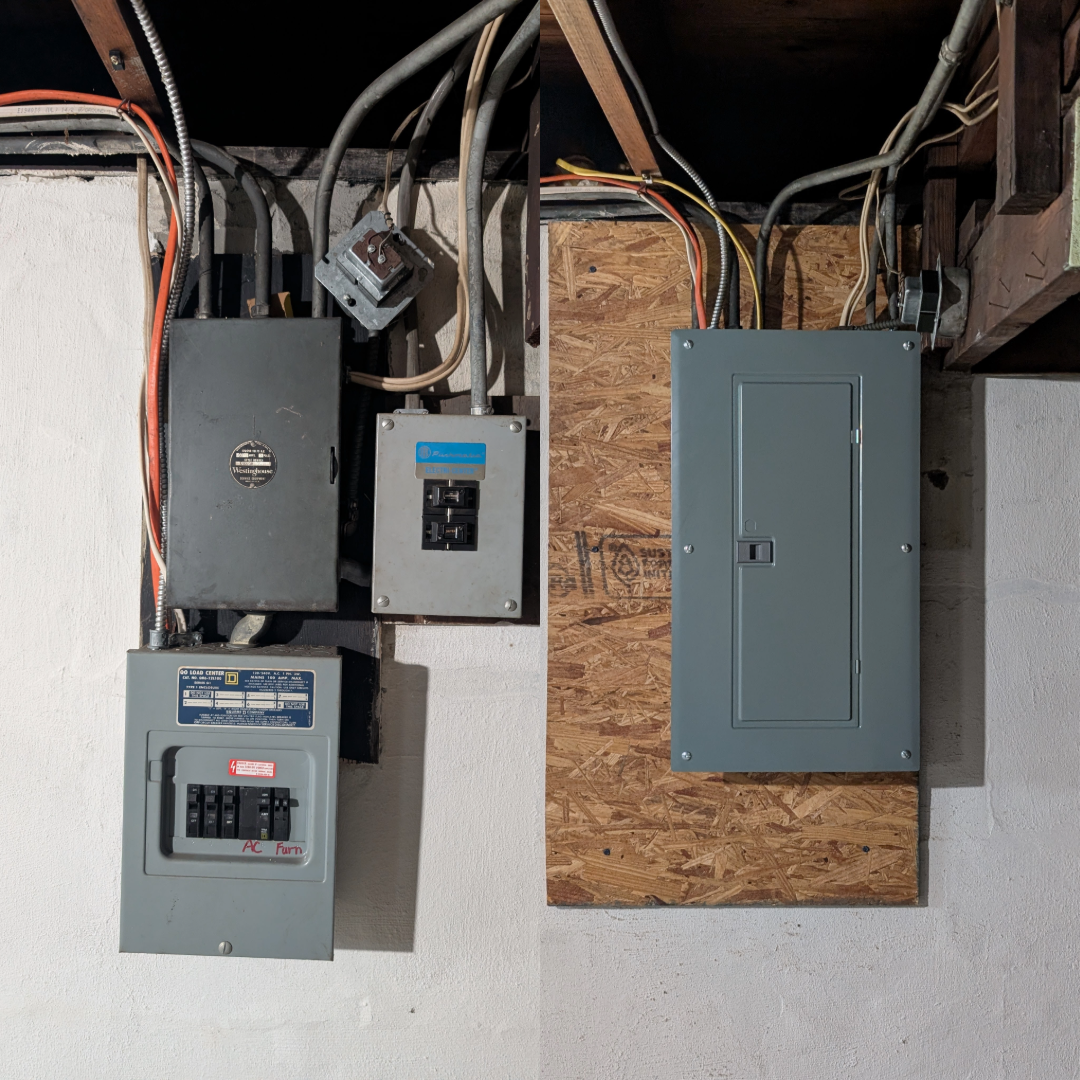
Wondering if you should upgrade or replace your electrical panel? Learn the warning signs, cost factors, and what Evansville homeowners should know before upgrading to a new breaker panel. Call Bright Electric for expert help.
By Matt Pinkston - Master Electrician • October 23, 2025
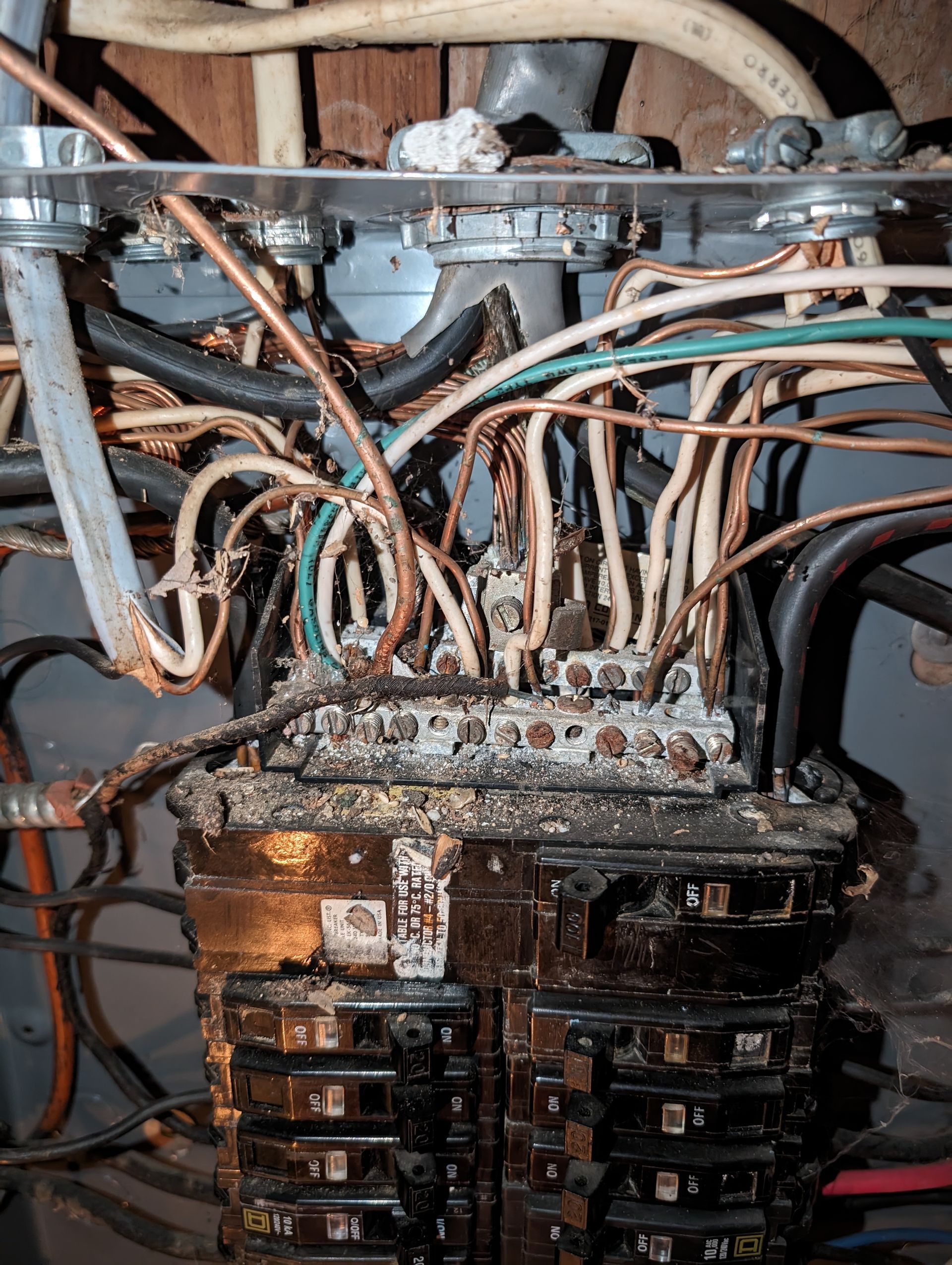
Learn what causes corrosion in electrical panels and how to prevent a corroded electrical panel from becoming a fire risk.
By Matt Pinkston - Master Electrician • October 23, 2024
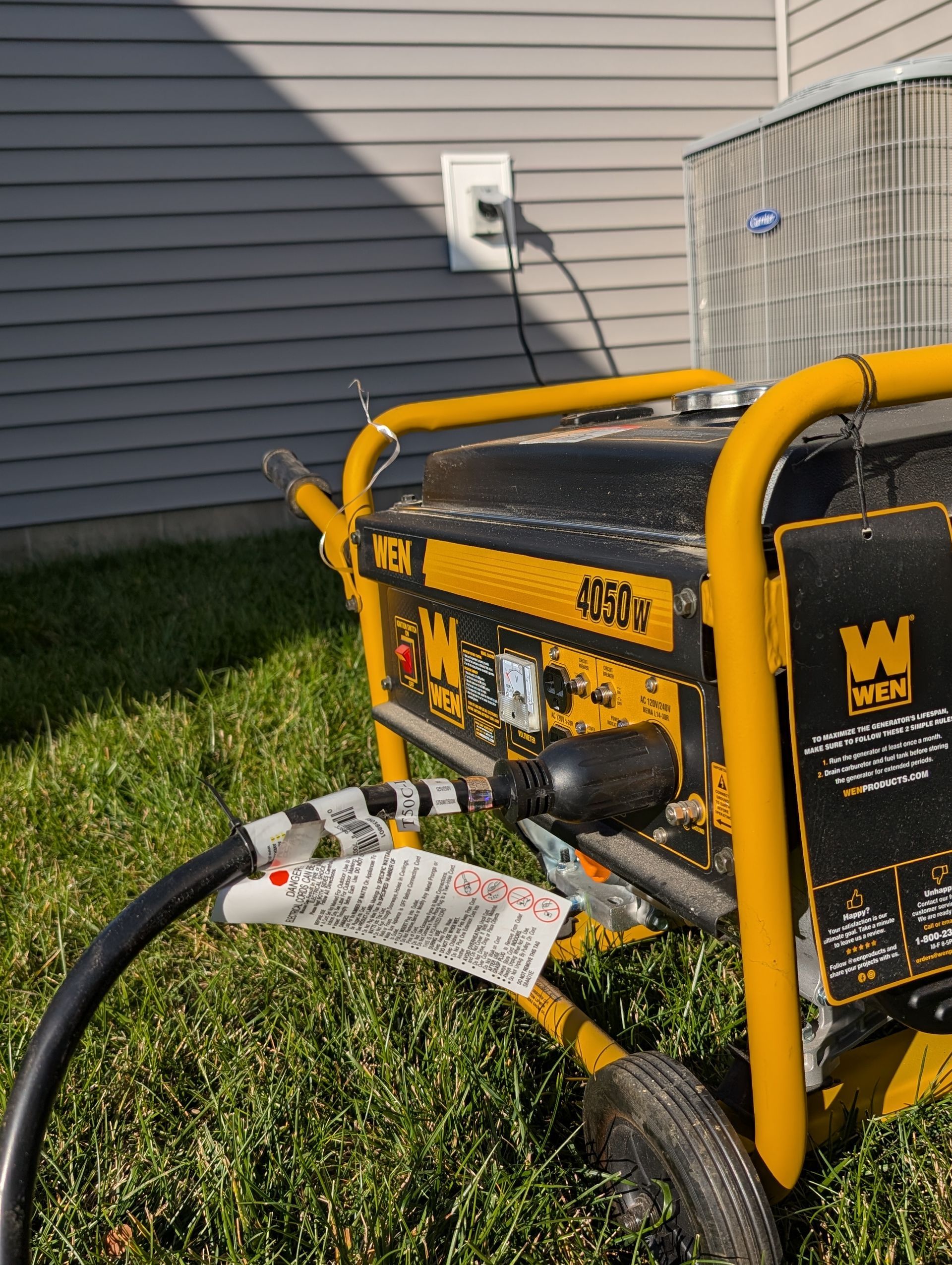
Power outages can strike unexpectedly, and when they do, a portable generator can be a lifesaver. Whether it's due to downed utility lines, storms, or blackouts, these devices provide a temporary solution for keeping essential appliances running. However, using portable generators safely is critical to avoiding dangerous situations. From preventing carbon monoxide poisoning to avoiding electrical hazards like backfeeding, following our generator safety tips is key to protecting both your home and family. Why Portable Generator Safety is Crucial Portable generators are handy machines, but improper use can lead to serious hazards. Generators emit carbon monoxide (CO), a toxic and potentially deadly gas that can build up quickly in enclosed spaces. Additionally, electrical issues, such as backfeeding a generator, can create a serious risk for utility workers or anyone in the home. Before you start your generator, understanding these dangers and following safety protocols can make all the difference. 1. Preventing Carbon Monoxide Poisoning Carbon monoxide is an invisible, odorless gas produced by the combustion process in portable generators. Exposure to CO can cause severe illness or even death in minutes. Here are some portable generator safety tips to minimize the risk of CO poisoning: Always operate the generator outdoors in a well-ventilated area, at least 20 feet away from any windows, doors, or vent openings. Never use a generator inside your home, garage, or enclosed space, even with the door open. This is a common mistake that can lead to deadly CO exposure. Install carbon monoxide alarms in your home, especially near sleeping areas, to alert you if CO levels become dangerous. Make sure the generator’s exhaust is directed away from your home and other buildings. These precautions are essential in keeping your home safe while your generator is running. 2. Avoiding Electrical Hazards A critical aspect of generator safety involves managing the flow of electricity. Improper connections can lead to electrocution, fire hazards, and damage to your appliances. Use the right cords. Ensure all appliances are connected directly to the generator using heavy-duty, outdoor-rated extension cords. Inspect cords for cuts, tears, and make sure they have a three-pronged plug, including the grounding pin. Never plug the generator directly into a wall outlet. This can cause backfeeding, a dangerous situation where electricity flows back into power lines. Not only is this illegal, but it poses a severe risk to utility workers trying to repair the lines, as well as others in your home. To avoid backfeeding, have a qualified electrician install a transfer switch or an interlock kit that isolates the generator's power from the utility grid. This allows you to safely connect the generator to your home’s wiring system and ensures that both power sources cannot operate simultaneously. If you're looking for a professional installation to ensure your generator is set up safely and efficiently, check out our Generator Installation Services. Turn off the generator before refueling. Generators get extremely hot during operation. Refueling a hot generator can lead to fire hazards, so always allow it to cool down before adding more fuel. 3. Handling Fuel Safely Fuel storage and usage are key elements of generator safety. Because fuel is highly flammable, it’s important to store it carefully and use it safely when refueling the generator. Store fuel in proper containers. Always use containers labeled for gasoline storage and keep them in a well-ventilated area away from living spaces. Turn off and cool down the generator before refueling. This simple step can prevent dangerous fires. Keep generators dry. Never operate a generator in wet conditions, as water can cause short circuits and electrical shock. Use your generator on a dry surface and, if necessary, cover it with a canopy to keep it dry. 4. Additional Generator Tips Here are some other tips to ensure your portable generator is operating as safely as possible: Perform regular maintenance. Like any machine, your generator needs upkeep to run efficiently and safely. Follow the manufacturer’s instructions for changing oil, replacing filters, and inspecting the system. Test your generator regularly. It's a good idea to test the generator periodically, even when you don't need it. This ensures it's ready for action when an outage occurs. Know your wattage limits. Overloading your generator by trying to power too many appliances can cause it to overheat, leading to fires or damage. Know the wattage limits of your generator and prioritize essential devices like refrigerators, sump pumps, and lights. Download our Generator Safety Practices PDF for a handy reference guide to keep you informed about generator safety procedures. Are You Curious About How to Hook Up Your Portable Generator to Your House? If you're ready to safely connect your portable generator to your home, check out our Generator Installation Services and learn how.
By Matt Pinkston - Master Electrician • June 10, 2024
Embarking on a career as an electrician in Evansville offers a blend of fulfilling work and promising financial rewards. As a full time electrician for over 25 years, I can tell you that this journey requires dedication, patience, and a lot of hands-on learning. Whether you’re fresh out of high school or considering a career change, knowing what to expect can make the process smoother and more exciting. Starting Your Electrical Career with an Apprenticeship The first step in your electrical career is applying for an apprenticeship. In Evansville, or more specifically Vanderburgh County, you must be signed up for a trade school and registered with the city to work legally. An apprenticeship is a hands-on learning experience where you earn money while working under the supervision of a journeyman electrician. This combination of practical training and education is essential for anyone serious about entering the electrical trade. Trade School Requirements in Evansville In Evansville, electrical apprentices must attend trade school for four years, with classes held two nights a week, three hours each night. This schedule allows you to balance work during the day with your studies in the evening, making it much less demanding and expensive than traditional college. Trade school provides the theoretical foundation needed to complement the practical skills you’ll gain on the job, covering essential topics like electrical theory and the National Electrical Code. Comprehensive On-the-Job Training During your apprenticeship, you’ll learn about common electrical materials, tools, and industry terminology. Apprentices typically rotate through various job sites and tasks, gaining a comprehensive understanding of different aspects of electrical work. This rotation ensures that you develop a well-rounded skill set and are prepared for any challenge you might face in your electrical career. Here are five key categories of work you will learn: 1. Preliminary Work: This involves the initial steps in an electrical project, such as reading blueprints, planning the layout of electrical systems, and preparing the worksite. It's the foundational stage that sets the stage for all subsequent work. 2. Rough-In Work: During this phase, you'll install the basic framework of the electrical system. This includes running wires through walls, installing boxes for outlets and switches, and ensuring that all wiring is correctly routed before the walls are finished. 3. Finish Work: Also known as trim-out work, this stage involves installing the final elements of the electrical system, such as light fixtures, receptacles, switches, and electrical panel boxes. It's the detail-oriented phase where everything is connected and tested to ensure proper operation. 4. Troubleshooting: You'll learn how to diagnose and fix electrical problems, from simple issues like faulty switches to more complex problems involving wiring or circuit breakers. Troubleshooting is a critical skill for ensuring the safety and reliability of electrical systems. 5. Motor Install and Control: This includes the installation and maintenance of electric motors and their control systems. You'll learn about motor types, wiring methods, and control circuits, which are essential for many industrial and commercial applications. Taking the Test and Becoming a Journeyman Electrician After completing your apprenticeship and trade school, you’ll need to take the journeyman’s electrician test. This exam assesses your knowledge of electrical theory and the National Electrical Code. Passing this test is a critical milestone, allowing you to work independently and enjoy the freedom and increase in salary. In Evansville, journeymen must still work under a master electrician who is licensed, bonded, and insured. This ongoing mentorship helps you gain further experience and expertise. A Rewarding Career in Evansville There is nothing more rewarding than looking back at the work you've accomplished at the end of the day, flipping the switch, and watching the lights come on. Embarking on the path to becoming an electrician promises a fulfilling and prosperous future. Embrace the journey and start building a career that is both rewarding and essential to our community. If you are interested in becoming an electrician, fill out our careers form . We accept applications from time to time and would love to hear from enthusiastic individuals ready to join the field. For more information on local trade schools visit the IEC here .
By Matt Pinkston - Master Electrician • May 14, 2024
Electrical issues are a major cause of concern for homeowners. According to the National Fire Protection Association (NFPA), electrical failures or malfunctions were the second leading cause of home fires in the United States, accounting for an estimated 46,700 home fires annually. Addressing electrical deficiencies promptly is crucial to prevent potential hazards and ensure a safe living environment. Here are some common electrical items found on home inspection reports, along with explanations and repair details:
By Matt Pinkston - Master Electrician • April 23, 2024
During a home inspection, you might receive a report mentioning that some of your three-prong receptacles are ungrounded. This can be confusing, as the presence of three prongs suggests a grounding connection, but the inspector's report contradicts that assumption. Let's delve into the reasons behind this and what it means for your home's safety. The Misleading Three-Prong: Older homes, built before the widespread adoption of grounded wiring in the 1960s, might have two-prong receptacles. These outlets lack a ground wire. However, over time, some homeowners might have replaced these receptacles with three-prong receptacles for aesthetic reasons or ease of plugging in devices. The issue arises because these three-prong receptacles were installed without actually upgrading the underlying wiring to include a ground wire. This creates a situation where the outlet appears to be grounded, but it functionally isn't, leading to ungrounded outlets that can lead to safety concerns and potential damage. Safety Concerns of Ungrounded Outlets: Shock Hazard: In the event of a malfunction in a three-prong appliance plugged into an ungrounded outlet, the metal casing of the appliance can become energized, posing a shock hazard to anyone who touches it. Reduced Functionality: Some modern appliances, like computers and televisions, rely on the ground connection for proper operation and surge protection. An ungrounded outlet can hinder their functionality or even damage them in case of surges. Addressing 2-Prong Ungrounded Receptacles, Understanding the Code: The NEC, in Section 210-7, mandates the installation of grounded receptacles on 15A and 20A branch circuits. This section also emphasizes the importance of effectively grounding these receptacles to the circuit's equipment grounding conductor. Unfortunately, the only way to truly ground these receptacles would be to run new wiring to each affected outlet. Solutions for Non-Grounded Outlets: 1. Replacement with a 2-prong Receptacle: This option allows for a direct swap of the affected 3-prong receptacle with a 2-prong ungrounded receptacle. However, this method does not address the lack of grounding. 2. GFCI-Type Receptacle: Installing a Ground Fault Circuit Interrupter (GFCI) receptacle at each location offers additional protection by continuously monitoring electrical current. If a fault is detected, the GFCI quickly cuts off power, potentially preventing serious electrical issues. This offers the convenience of the 3-prong receptacle and protection of the GFCI. 3. Three-prong Grounding-Type Receptacle with a GFCI Circuit Breaker: This involves replacing the receptacle with a three-prong grounding-type receptacle, but with the crucial addition of GFCI protection from a GFCI circuit breaker. This method offers convenience and enhanced safety. Choosing the Right Option: While all three options comply with the NEC, the best choice depends on the specific situation. For example, installing a single GFCI-type receptacle may be sufficient for isolated areas, but a more comprehensive approach may be necessary for homes with multiple ungrounded outlets. For any questions or guidance on how to properly address ungrounded receptacles or to ground an ungrounded outlet, please reach out to the Bright Electric team!